Understand melasma, sun spots and uneven skin tone with personalised guidance for pigmentation concerns, their causes and suitable care options.










Understanding Melasma, Sun Spots & Dark Spots
Pigmentation refers to changes in skin colour caused by varying amounts of melanin. Melasma, sun spots and post-inflammatory marks can look similar, but their triggers and suitable management may differ.
At Belle Clinic, our doctor assesses your skin, pigmentation pattern and relevant history before discussing suitable approaches, possible risks and realistic expectations.


Discolouration has different causes and patterns. Explore common pigmentation concerns below.

Patchy brown or grey-brown areas, often noted across the cheeks and brows.

Flat brown spots from cumulative sun exposure, often on the face or hands.
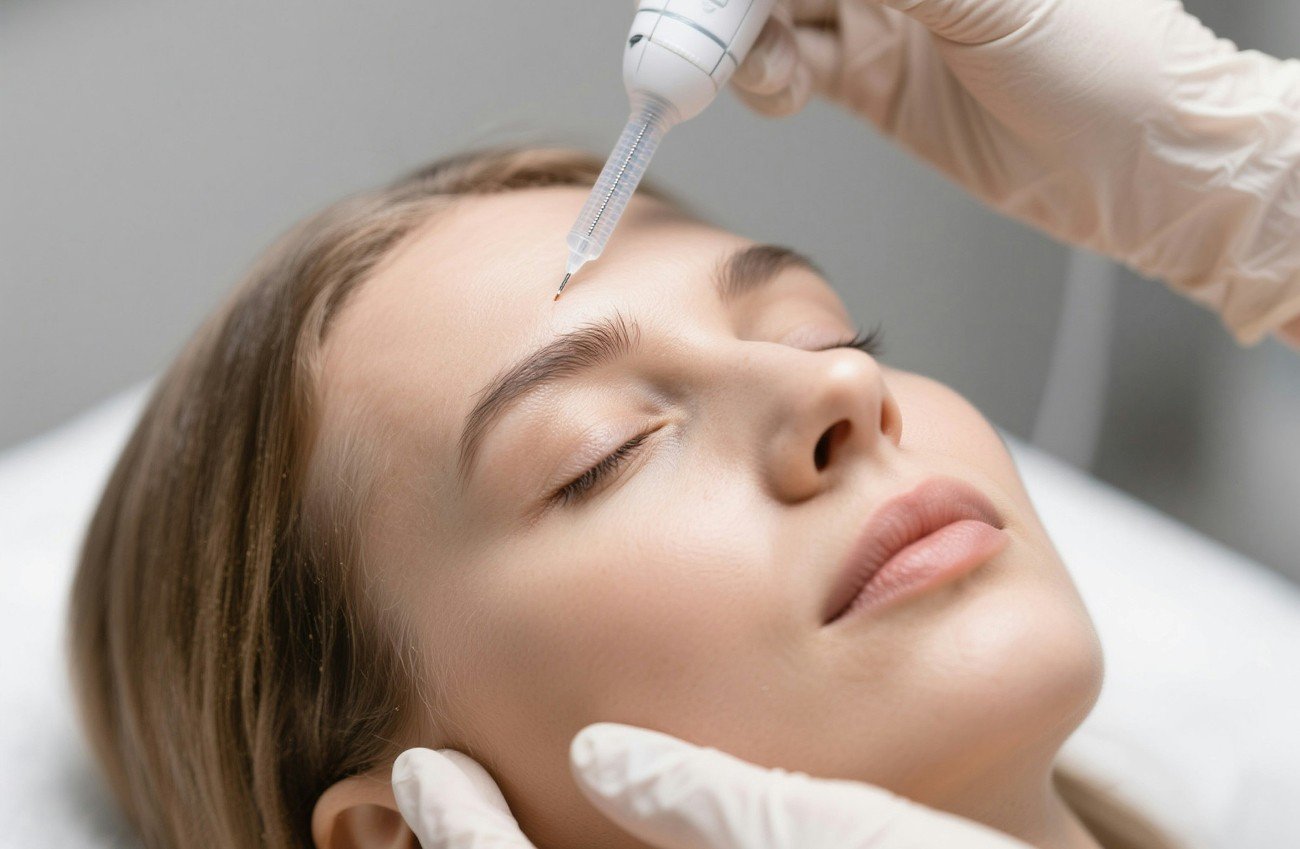
Darkened marks that remain after breakouts, even when acne has cleared up.
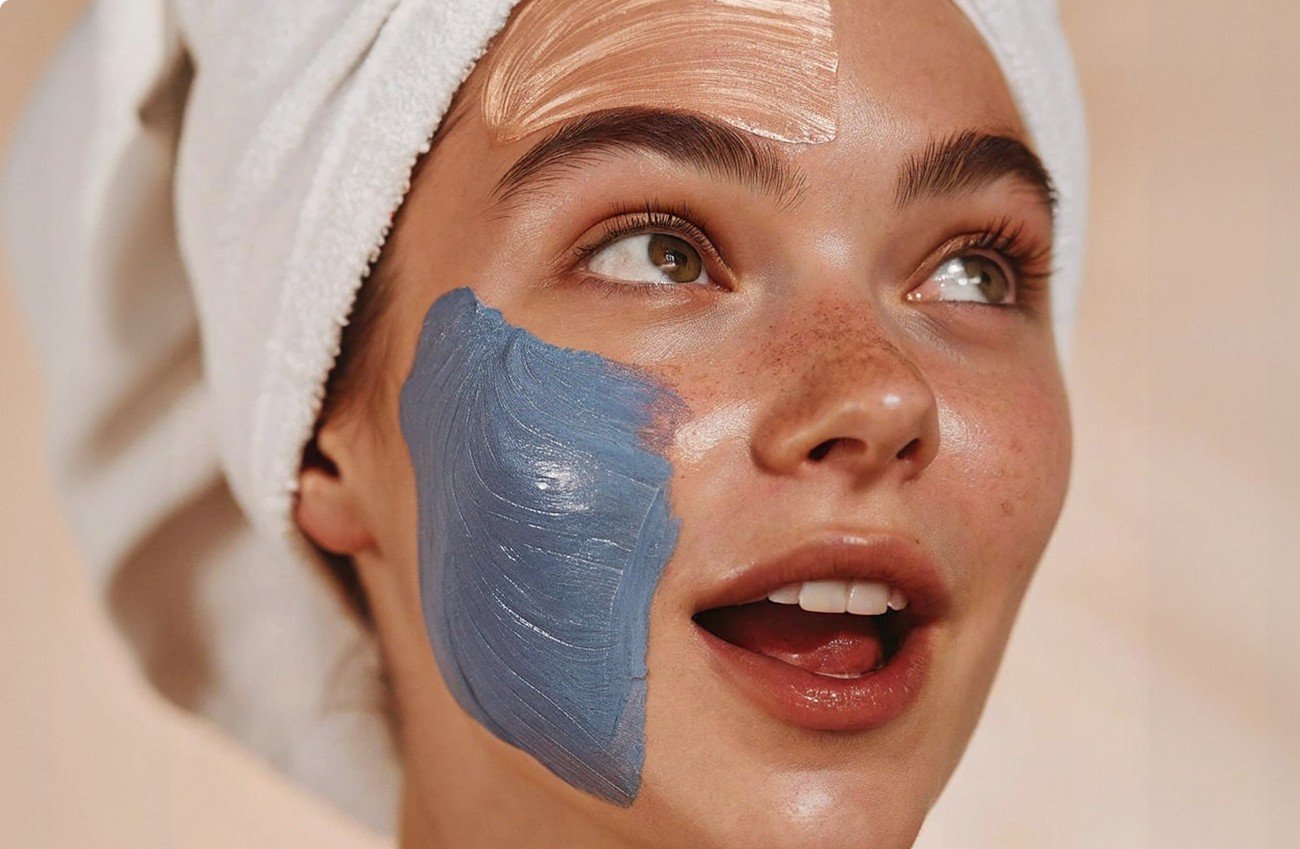
Areas of uneven colour that make the complexion appear patchy or lifeless.
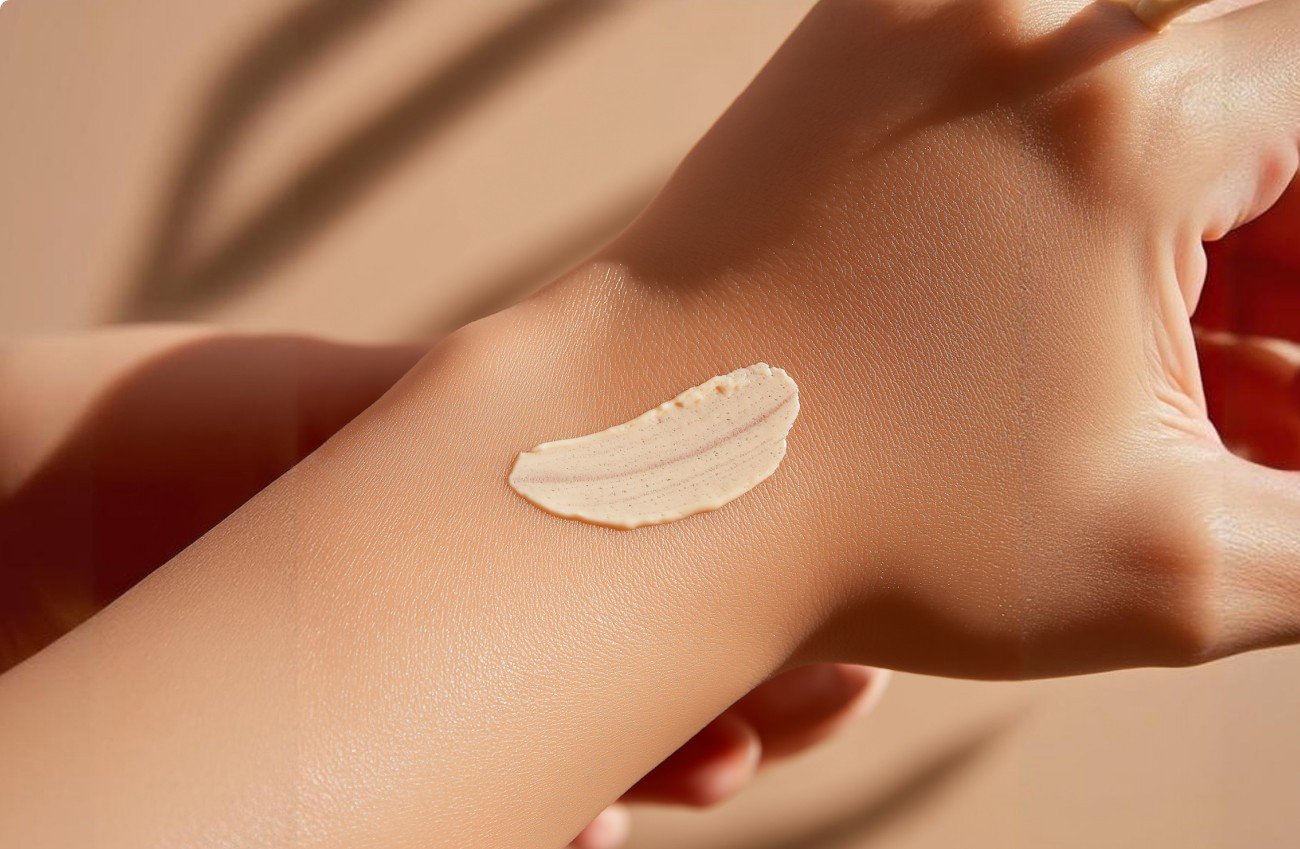
Small pigmented spots that may become more visible following sun exposure.
Dark patches left after irritation, injury or inflammation of skin tissue.
Spots that stay visible for months and may need a careful skin assessment.
Pigmentation that returns or deepens under sunlight and hormonal triggers.
Noticing persistent spots or uneven skin tone? Book a consultation to discuss your pigmentation concerns.
Personalised pigmentation care begins by identifying the possible causes of uneven skin tone.
Helps identify factors linked to patches and areas of darker skin.

Considers pigment type, your skin history and possible care plans.

Selected skin care may improve the look of uneven pigment in time.

Focuses on visible dark spots while reviewing risk and recurrence.

Considers your skin tone, triggers and individual treatment goals.
Clarifies expected changes, precautions and longer-term skin care.
Melasma, sun spots and post-acne marks can require different approaches. Discuss the services and suitability with Belle Clinic.
Our available melasma-focused laser service; suitability and pigment risks require a personal skin assessment.
Discuss This Service →
A skin peel offered by Belle Clinic; your doctor should confirm whether it fits your specific pigment concern.
Discuss This Service →
A separate skin-quality support service, not a direct treatment for melasma or sun spots; discuss suitability.
Discuss This Service →
A doctor can identify whether spots are melasma, lentigines or post-acne skin marks before choosing treatment.
Discuss This Service →Some peels or lasers can worsen pigmentation in unsuitable cases. Doctor assessment, careful sun protection and follow-up are important.


Discuss your pigmentation, prior sun exposure and relevant skin history.
Review the pigment pattern, skin tone and possible contributing factors.
Discuss suitable skin care plans, main risks and realistic expectations.
Review aftercare, regular sun protection and your follow-up care visits.
Gradual Progress, Thoughtful Skin Care
Pigmentation outcomes depend on pigment type and chosen care.
Sun exposure, skin response and recurrence can affect results.
Your doctor can explain expected changes and aftercare.

Personalised Aesthetic Care
At Belle Clinic, we take time to understand the pattern of your pigmentation, potential triggers and the changes you have noticed.
Our doctor reviews your skin tone, medical history and pigment concerns before discussing appropriate care options.
We focus on realistic expectations, informed choices and ongoing skin protection.
Skin pigmentation results from melanin production and can be influenced by sunlight, hormones, inflammation and genetics. A skin assessment helps distinguish possible causes.

Explore personalised pigmentation care
based on your skin concerns.